Learn About Mini Barndominium Costs & Designs
Outline and Why Mini Barndominiums Matter in 2026
Mini barndominiums are having a moment because they blend compact footprints with flexible design, efficient construction, and a warm, agrarian aesthetic. In 2026, homeowners, first-time buyers, downsizers, and landowners are all looking for housing that is practical, resilient, and cost-aware. This guide begins with a quick roadmap, then builds on each piece with detail so you can make confident decisions.
Here is the outline you’ll follow as you read:
– What “mini” means and how this housing type compares to tiny homes, cottages, and accessory dwelling units.
– Key features that create value: structure, envelope, finishes, systems, and storage-smart layouts.
– A clear, component-based cost model for 2026 with ranges and variables that push budgets up or down.
– Practical considerations like zoning, site prep, and build pathways (DIY, hybrid, or turnkey).
– A concluding action plan you can use to evaluate feasibility and next steps.
Why this matters now: volatility in materials and labor has made planning harder, but not impossible. With the right expectations—square footage discipline, envelope performance focus, and smart phasing—you can often achieve a compact home that balances cost, comfort, and speed. Mini barndominiums are especially appealing if you want an open-span interior, room to adapt over time, and an exterior that pairs well with rural, exurban, or even suburban lots. They also offer a measured path for people who want to build equity gradually: complete the shell, finish essential rooms, and expand finishes as budget allows. Throughout this article, you’ll see how design choices affect cost and durability. Small homes magnify every decision; a better window package or higher R-value insulation can meaningfully lower long-term operating expenses. Likewise, siting, soil conditions, and local code pathways influence timelines and fees. If you’re weighing a studio-sized retreat, a one-bedroom starter, or a guest home, you’ll find the context you need to compare options—and the confidence to take the next step without costly surprises.
What Are Mini Barndominiums?
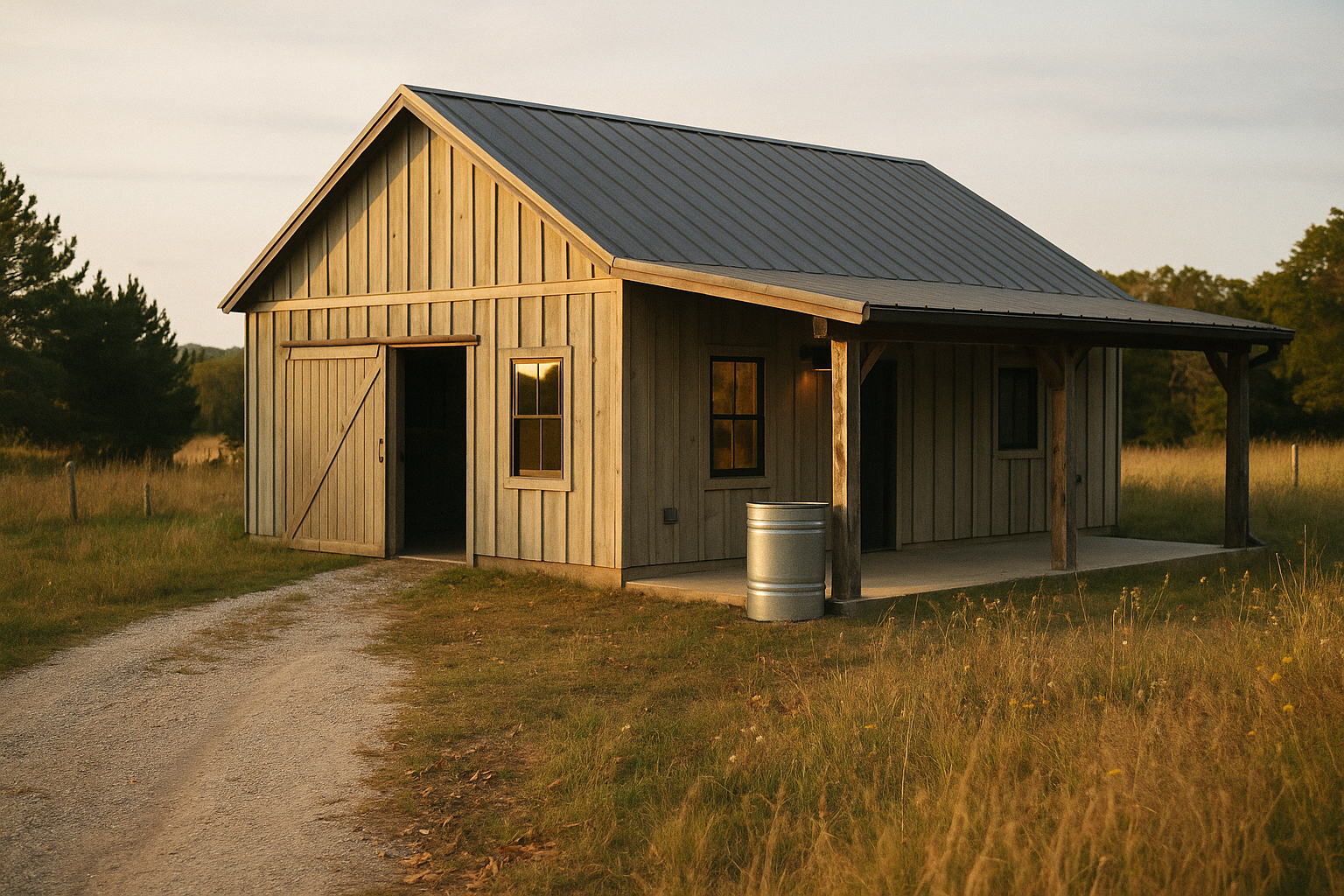
A mini barndominium is a compact dwelling—often 400 to 1,200 square feet—that draws from barn-inspired architecture and simple structural systems to create an open, flexible interior. The visual cues are familiar: a gable or monitor roofline, durable metal cladding or board-and-batten siding, and wide doors or a glazed wall that opens to porches. Inside, spans are typically generous for the size, enabling a loft, mezzanine, or open living-kitchen core that makes a small footprint feel airy and adaptable.
Instead of one strict building method, “barndominium” is an umbrella for several structural approaches:
– Post-frame: Columns set in the ground or on piers carry roof loads, leaving fewer interior load-bearing walls and allowing fast shell assembly.
– Light-gauge or rigid steel: Pre-engineered components deliver strong, open bays and a tidy exterior envelope, especially useful in higher wind or snow regions.
– Conventional wood framing: Familiar to many trades, it supports similar aesthetics while easing integration with local codes and inspectors.
How is a mini barndominium different from a tiny house? Tiny houses often target ultra-compact living (under 400 square feet), sometimes on wheels, prioritizing mobility and strict minimalism. Mini barndominiums typically sit on permanent foundations, lean into code-compliant building systems, and emphasize a long-term residential experience. Compared with cottages or small ranches, mini barndominiums lean harder into open-span interiors and simple roof geometry, which can streamline framing and reduce complex detailing that drives up labor.
Common use cases include guest homes, starter residences, multigenerational suites, short-stay rentals (where permitted), and rural getaways. People gravitate to them because they balance character with clarity: the form is straightforward, the shell is efficient to erect, and the interiors can scale from basic to refined. Imagine a 720-square-foot plan with a vaulted ceiling, a sleeping loft tucked above the entry, and a window wall framing pasture or pines; it’s modest in size but generous in feel. When you pair that with resilient finishes—sealed concrete, durable metal roofing, and compact, high-efficiency mechanicals—you get a home that handles real life gracefully. In short, a mini barndominium is a right-sized canvas: practical, comfortable, and ready to reflect your priorities without excess square footage.
Mini Barndominium Key Features
Strong performance and pleasant living come from a handful of well-chosen features. Think of the home in layers: structure, envelope, systems, and livability details. Each layer influences the others, and in smaller homes, the impact of each decision is amplified. Prioritizing the building envelope and layout efficiency usually returns the most value per dollar.
Structure and envelope:
– Foundations: Slab-on-grade excels for simplicity and cost; pier-and-beam can work on challenging soils; frost-protected shallow foundations mitigate excavation and insulation needs in colder areas.
– Framing: Post-frame and steel systems create wide, column-free interiors; conventional wood provides accessible detailing and trades.
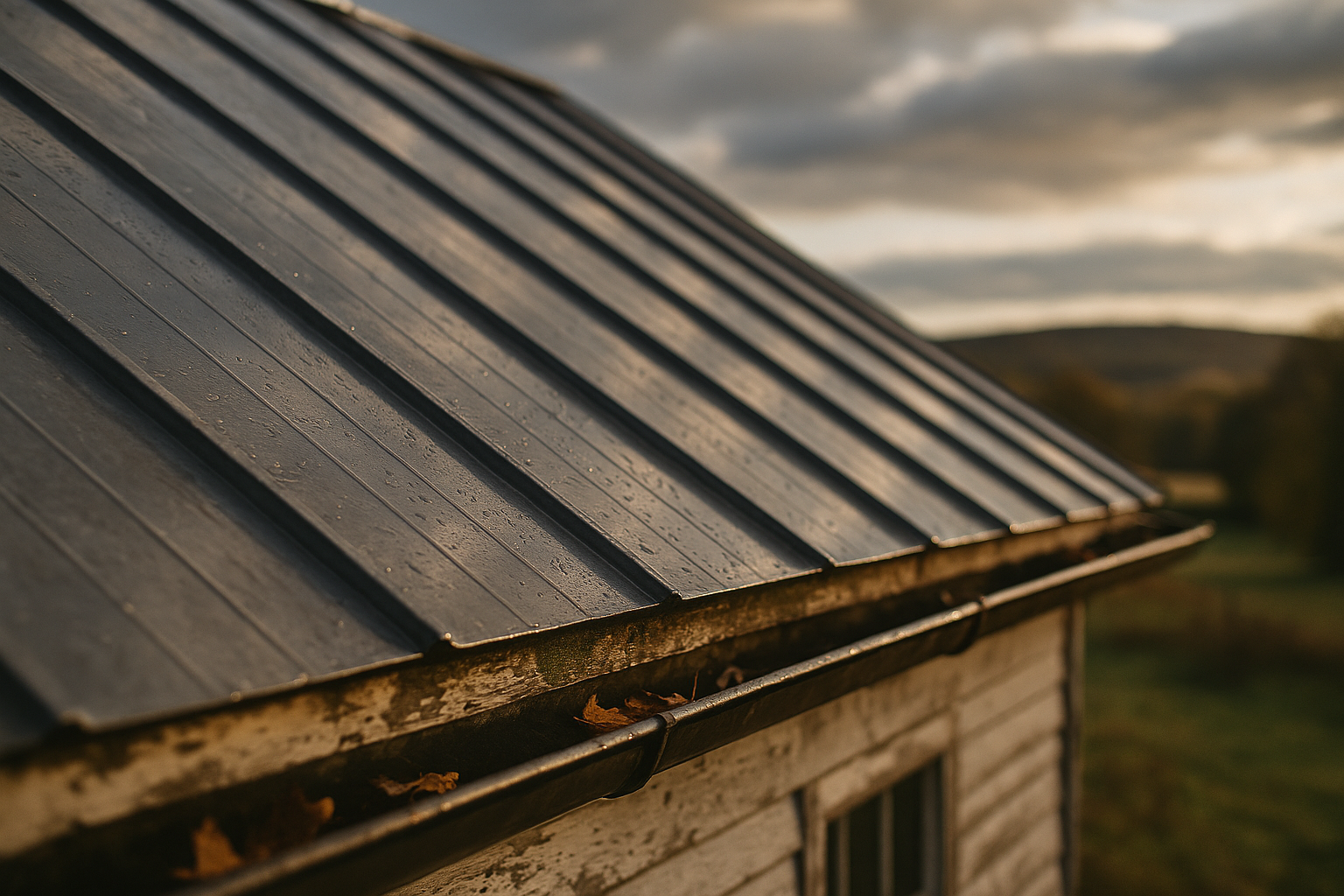
– Roofing and cladding: Standing-seam or corrugated metal sheds water quickly and tolerates hail and snow; fiber-cement or board-and-batten siding offers texture with low upkeep.
– Insulation and air sealing: Closed-cell spray foam adds stiffness and strong air control in metal shells; dense-pack cellulose or mineral wool performs well in framed walls; target airtightness and balanced ventilation for year-round comfort.
Windows, doors, and daylight:
– Prioritize low U-factor glazing and appropriate solar heat gain coefficients by climate zone.
– Concentrate glass where it frames views or daylight-critical rooms; reduce west-facing glass to temper heat gain.
– A glazed entry or sliding wall can blur indoor-outdoor boundaries, enhancing perceived size without increasing square footage.
Systems and resilience:
– Heating and cooling: Ducted or ductless heat pumps scale neatly to small volumes and deliver efficient, all-electric comfort.
– Ventilation: A dedicated HRV/ERV preserves indoor air quality in tight envelopes.
– Water: On rural sites, plan for well and septic early; where municipal services exist, confirm capacity and connection fees.
– Electrical and solar readiness: A modest main panel with space for a future photovoltaic circuit supports phased upgrades.
– Weather design: Engineer for local wind, snow, and seismic loads; tighten connections, specify quality fasteners, and include robust flashing details.
Livability and storage-smarts:
– Use built-ins under stairs and loft edges; integrate toe-kick drawers and tall cabinets to maintain open floor area.
– Design a “gear garage” bay or oversized closet for tools, bikes, and seasonal items, even in small footprints.
– Choose durable, low-maintenance finishes—sealed concrete, resilient plank, washable paints—that stand up to daily life.
Style and feel:
– Keep rooflines simple for a clean silhouette; add a small shed-roof porch to soften the form and create a transition zone.
– Mix textures: warm wood accents against metal cladding; a timber porch beam; a reclaimed door with visible grain and knots.
– Let the structure express itself—exposed rafters or a truss feature can become the room’s quiet centerpiece.
Together, these features create a home that lives larger than its footprint, sips energy, and weathers the seasons with equanimity. A handful of thoughtful choices—especially in envelope performance and daylight strategy—often outshine flashier upgrades and deliver comfort you can feel on the hottest afternoon or the windiest night.
Understanding Mini Barndominium Costs in 2026
Costs in 2026 reflect stabilized but still cautious material pricing and regionally tight labor markets. Instead of a single number, think in layers, because site conditions, codes, and finish level can shift totals significantly. For compact footprints, fixed costs (permits, mobilization, utility connections) occupy a larger percentage of the budget, so planning and phasing are essential.
Typical 2026 national ranges (actual bids vary by region and complexity):
– Kit-only shell (steel or post-frame package, no foundation or finishes): roughly $25–$55 per square foot of conditioned area equivalent.
– Shell to “dry-in” (foundation, framing/shell, roofing, weather barrier, windows/doors installed): roughly $70–$120 per square foot.
– Turnkey (move-in ready, code-compliant, average finish level): roughly $160–$260 per square foot.
Line-item view for budgeting a 720–1,000 square foot build:
– Site work and utilities: $10–$35 per square foot (clearing, driveway, trenching, well/septic or municipal connections).
– Foundation: $8–$18 per square foot (soil class, frost depth, and reinforcement drive the spread).
– Structure and roof: $25–$55 per square foot (system type, spans, and roof profile).
– Exterior envelope (windows/doors, cladding, insulation, air sealing): $25–$60 per square foot (performance targets matter).
– Interiors and finishes (drywall, flooring, cabinets, paint, trim): $50–$110 per square foot (compact custom work can raise per-foot costs).
– Mechanical, electrical, plumbing: $25–$55 per square foot (equipment efficiency and layout complexity).
– Soft costs: 8%–18% of construction (design, engineering, permits, impact fees, surveys).
– Contingency: 7%–12% of hard costs (higher for challenging sites or first-time builders).
Variables that push budgets:
– Region: Coastal or high-demand metros command higher labor and fees.
– Site: Slopes, difficult soils, long drive runs, or tree removals add quickly.
– Codes: Energy stretch codes, wildfire defensible space, or wind uplift requirements can require upgraded assemblies.
– Design: Complex rooflines, extensive glazing, or high-end millwork shift projects into premium territory.
Practical levers to manage cost while protecting quality:
– Right-size the plan: Each 50 square feet you trim can shave thousands from total cost without hurting livability if storage is well planned.
– Prioritize envelope performance over luxury finishes; operating savings are long-lived, and comfort gains are immediate.
– Choose one wet wall stack where possible to simplify plumbing runs.
– Use a “warm shell” strategy: complete a high-performance exterior, then phase interior upgrades as budget allows.
– Solicit at least three qualified bids with identical scopes; align allowances for fixtures and finishes to compare apples to apples.
Financing and timelines: Local lenders familiar with small rural builds or accessory units may offer construction-to-permanent loans; timelines often run 6–10 months for straightforward projects once permits are in hand. Factor in seasonal constraints (frost, heavy rains, wildfire windows) and inspector availability. A measured plan, a realistic contingency, and an envelope-first mindset tend to produce the calmest builds and the most durable results.
Conclusion: Bringing Your Mini Barndominium Vision to Life
Choosing a mini barndominium is less about following a fad and more about investing in a compact, resilient home that meets your priorities without waste. As a prospective owner, start with the essentials: identify your non-negotiables, map your site’s realities, and establish a budget you can defend under mild stress. Then select a structure and envelope that align with climate and code, because those set the stage for comfort and cost control long after the ribbon is cut.
Here is a concise action plan you can adapt to your context:
– Confirm zoning, setbacks, occupancy rules, and utility availability before design commitments.
– Develop a space program: rooms, storage needs, and future-proofing (loft, flex room, or porch enclosure).
– Target performance: airtightness goals, insulation levels, and mechanical strategy appropriate to your climate zone.
– Iterate a simple massing: one or two roof planes, compact plumbing core, and a daylight plan that supports daily routines.
– Seek multiple bids with matched scopes; verify licenses, insurance, and references.
– Hold a disciplined contingency and sequence long-lead items early (windows, electrical gear, specialty doors).
Creatively, let the home tell a quiet story. A modest gable under a golden-hour sky, rain drumming on metal roofing, the smell of sealed pine and concrete cooling after a summer day—these are the textures that make small living feel expansive. Practical choices amplify that experience: a porch deep enough to sit out a storm, a bench at the entry for boots and bags, a window placed where light greets the morning coffee. Focus on the elements you touch daily. Durable floors beat ornate fixtures; a tight envelope outlasts a trendy backsplash. When you approach the build with clarity and patience, the result is a right-sized refuge that earns its keep through efficiency, adaptability, and calm. Your next step is simple: walk your site, sketch your must-haves, and start the conversation with local professionals. The path is straightforward when each decision supports the compact, comfortable life you want to live.