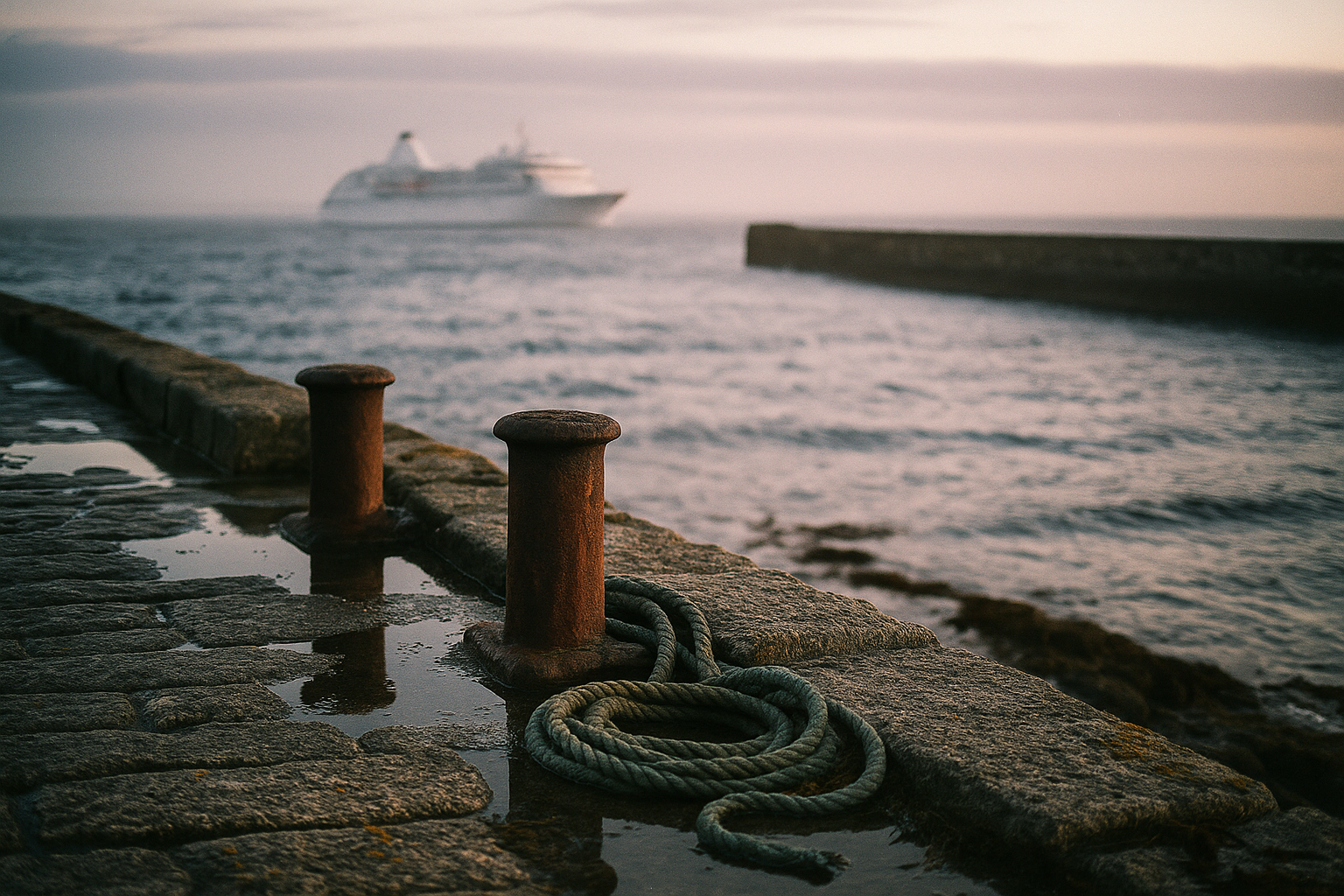
5-Night Cruise from Liverpool to the Canary Islands: Costs, Cabins, Weather Windows, and How to Make Five Nights Count
Introduction and Outline: Why a Five-Night Liverpool–Canaries Cruise Matters
There’s a particular thrill in watching the grey ribbon of the River Mersey widen into the Atlantic, knowing that in just five nights you could be leaning over a promenade rail with warm trade winds on your face. A short cruise from Liverpool to the Canary Islands sounds like magic, but it’s really a puzzle of distance, sea conditions, budgets, and time management. This guide gives you the tools to solve that puzzle, showing how a compact itinerary can still deliver volcanic landscapes, subtropical air, and a fresh reset before work calls you back. You’ll find practical detail throughout—because smart choices made before embarkation often matter more than luck at sea.
Here’s the outline we’ll follow so you can jump to what you need most:
– Route Reality and Sample Itineraries: How five nights can work, nautical distances, and likely port calls or one-way routings.
– Budget and Value: A transparent look at fares, taxes, gratuities, drinks, Wi‑Fi, excursions, insurance, and return flights if needed.
– Booking Strategy: Timing your sailing, picking cabins for comfort in the North Atlantic, and selecting weather windows.
– Making Five Nights Count: A playbook for onboard planning, port-day tactics, packing, and seasickness prevention—plus a final takeaway.
Why this itinerary is relevant now: demand for shorter cruises has grown as travelers chase flexibility without sacrificing destination payoff. The Canary Islands offer year-round appeal with average daytime temperatures from roughly 18–24°C in spring and autumn, and sea temperatures that linger near 19–23°C depending on month and island. Combine that with Liverpool’s accessibility for northern travelers, and the route becomes a compelling, time-savvy bridge from temperate to subtropical. Still, it pays to be realistic: five nights is a sprint across big water. With the right plan, you’ll cross that distance not as a passenger merely passing time, but as a traveler stacking moments—sunrise coffees, clean Atlantic horizons, and a last-night sky bright with southern stars.
Is a Five-Night Liverpool–Canaries Cruise Realistic? Routes, Sea Days, and Sample Itineraries
The straight-line distance from Liverpool to the central Canary Islands falls broadly in the 1,600–1,900 nautical mile range, depending on the embarkation quay and final island. Typical cruising speeds for ocean-going passenger ships hover around 17–21 knots. At 18 knots, a ship covers about 432 nautical miles per 24 hours, which makes five nights feasible for a largely sea-day‑driven crossing. What does that mean for your experience? Most five‑night versions are either one‑way “mini‑repositionings” into or out of the archipelago, or they include a single call en route—often on the Iberian coast or in Madeira—before concluding in the Canaries.
Common patterns you might see on an actual schedule include:
– One‑way Liverpool to Tenerife or Gran Canaria: 4 sea days + 1 stop (for example, Madeira or Lisbon) before disembarkation in the islands.
– Liverpool to Madeira (call) to Canary disembarkation: Madeira sits roughly 600 nautical miles north of Tenerife and about 640 nautical miles from Lisbon, often serving as a practical stepping-stone.
– Roundtrip Liverpool with a Canary fly‑in/fly‑out: Less common in five nights due to distance; when it appears, expect minimal port time or a technical call only.
Do check the fine points of “arrival” language. An itinerary might list “Canary Islands” as a region, but the experience of docking in Santa Cruz de Tenerife versus Las Palmas de Gran Canaria differs in shore logistics and what’s walkable. Tender operations (where you transfer to a small boat offshore) are rare at major island ports but not impossible; if tendering appears, budget extra time for going ashore. Another quiet variable is maritime weather: between November and March, North Atlantic lows can build swells of 2–4 meters, occasionally higher, which the ship manages by adjusting speed and course. In shoulder seasons (April–June, September–October), seas tend to be more forgiving, and the northeast trade winds add a steady, temperate character to the crossing.
Time zones are simple: Liverpool and the Canary Islands typically keep the same clock during both standard time and summer time, so jet lag is off the table. Expect a sea‑day rhythm that emphasizes sunrise scenery on the port or starboard promenade, bridge announcements with noon positions, and late-afternoon talks about local geology and culture (volcanoes, black‑sand beaches, laurel forests). If you secure an itinerary that includes Madeira, consider the day a “sampler” of Atlantic island life: a cable car ride for views over Funchal’s amphitheater, a levada walk for greenery, or a shorefront espresso with citrus brightness in the cup. In short, yes—five nights is realistic when framed as an efficient voyage with either a single taste of land on the way or a focused arrival into the Canaries.
Budget and Value: What Five Nights Really Cost and How to Read the Fine Print
Short cruises can look delightfully affordable at first glance, but the grown‑up move is to stack every likely expense next to the fare so there are no surprises mid‑voyage. Think of your budget in layers: cabin, required fees, optional add‑ons, and end‑to‑end logistics. For a five‑night Liverpool–Canaries sailing, ballpark figures per person (double occupancy) often fall into these ranges, varying by season and cabin type:
– Base fare: Interior £299–£699; Oceanview £379–£849; Balcony £499–£1,199; Suites priced higher and more variable.
– Port taxes and fees: £50–£120.
– Gratuities/service charges: commonly £8–£16 per guest per night (total £40–£80).
– Drinks: Pay‑as‑you‑go cocktails can run £7–£12; packages may be £25–£55 per person per day.
– Wi‑Fi: £10–£25 per day depending on bandwidth and device limits.
– Specialty dining: £20–£45 per guest per venue.
– Shore excursions: Self‑guided can be £0–£20; organized tours often £40–£120+.
– Travel insurance: £20–£60 depending on cover level and age.
– One‑way flight (if disembarking in the Canaries): commonly £50–£200 back to the UK, booked early for better value.
Now for the fine print that turns “cheap” into “clear‑eyed good value”:
– Deposits: Promotional fares may be nonrefundable or carry change penalties; read cancellation timelines closely.
– Automatic service charges: Even if you prefer to tip in cash, the ship may apply daily charges unless you modify them at guest services.
– Onboard currency and exchange: The ship may settle accounts in a specific currency; avoid dynamic currency conversion on your card ashore to sidestep poor exchange rates.
– Solo supplements: Single travelers often see 50%–100% supplements; watching for designated solo cabins or late price drops can help.
– Airfare alignment: For one‑way cruises, protect yourself with a flight arriving the day before embarkation and a return scheduled with generous buffers; weather or operational changes at sea can nudge your arrival time.
– Medical services: Basic consultations onboard can add up; pack personal medications and seasickness remedies to reduce unplanned spend.
– Fuel supplements and taxes: Rare but possible; contracts sometimes allow adjustments if fuel costs spike or taxes change.
To frame value, consider cost‑per‑day against experience density. A five‑night sailing with a Madeira call and a full Canary arrival can deliver two distinct Atlantic island flavors plus uninterrupted blue‑water time—often for less than a long weekend city break once you add hotels, meals, and local transport on land. If you prefer to keep onboard costs lean, choose an interior cabin, enjoy included dining, and focus spending on a single targeted shore experience that matches your travel style—perhaps a half‑day hike, a guided volcano visit, or a winery stop with time to linger. That balance keeps your ledger trim while your memory bank earns compound interest.
Booking Strategy: Timing, Cabins, Weather Windows, and Smart Upgrades
When and how you book can influence comfort as much as cost on a North Atlantic hop. Seasonality first: shoulder months—April to June and September to October—often bring steadier seas than deep winter while still landing you in the Canaries during temperate stretches. Winter sailings (November to March) can be attractively priced, but be prepared for livelier swells as Atlantic lows roll through. Summer departures exist but can be scarce for this specific routing, as ships may be focused on other regions; when available, they tend to command higher fares due to holiday demand.
Cabin selection is more than a view question—it’s a motion question. If you’re sensitive to movement, midship on a lower deck is your friend, where the ship pivots least. Forward cabins feel more pitch in swells; aft cabins can hum with mild vibration but offer soothing wake views. Balconies add fresh air and quick horizon checks, which many travelers find calming. Interiors, meanwhile, are quiet, dark, and economical—great for sleep if you bring a compact sunrise alarm or set gentle wake‑ups on your phone. Think about noise vectors too: avoid cabins under busy pool decks or near night venues if early nights matter to you.
As for booking windows and tactics:
– Watch fares 6–9 months out for steady choices; last‑minute deals (2–6 weeks) appear but cabin location options shrink.
– School holidays and long weekends can inflate prices; flexible dates help.
– Use price alerts and consider refundable deposits if you expect fare swings.
– If you’re flying home from the Canaries, pair the cruise with early‑booked low‑cost flights or use miles; check baggage rules to avoid surprise fees.
– Upgrades: Instead of chasing a premium drink package, do the math on your daily habits; an a‑la‑carte approach can save. Consider a modest cabin upsell if seas are forecasted active—comfort per pound spent can outpace lounge extras.
Weather windows deserve a final word. The northeast trade winds typically stabilize by late spring, while autumn often blends gentle air with warm seas leftover from summer. In winter, aim for itineraries that show prudent sea‑day spacing rather than unnecessary sprints. Keep an eye on swell forecasts (measured in meters and period seconds); longer‑period swells are smoother even when higher. A good strategy is to plan like a sailor: select the season, choose your berth thoughtfully, and prepare a flexible mindset. The result is a trip that feels tailored, not tossed by chance.
Maximizing Every Hour: Onboard Planning, Port Tactics, Packing, and Final Takeaway
Five nights vanish fast if you let them, so start with a simple plan you can actually keep. Complete online check‑in early, choose an arrival slot, and carry a small daypack with swimsuits, meds, and chargers in case your suitcase reaches the cabin after sail‑away. Stroll the decks at embarkation, then mark key spots on the ship (quiet lounges, promenade access, outdoor nooks shielded from wind). Book dining times and theater seats as soon as portals open—short cruises concentrate demand into fewer evenings.
Onboard rhythm that preserves energy and joy:
– Mornings: Light breakfast and a brisk lap outdoors while the sea is calmest.
– Midday: Talks, gym, or spa thermal areas when others are at lunch.
– Afternoon: Tea or a nap; save the late‑day slot for golden‑hour deck time.
– Evenings: One main show plus an early‑night stroll under the stars; your sleep is a travel asset, not a luxury.
Port tactics vary by call, but the principle is the same: shrink logistics, expand experience. If your itinerary includes Madeira, a do‑it‑yourself game plan might be cable car to Monte, a short levada walk, and a return to the old town for espresso and pastel‑bright photos. In the Canaries, decide on a theme rather than trying to “do” an island. Examples include:
– Volcanic geology focus: Timanfaya‑style landscapes, lava tubes, or caldera viewpoints.
– Coastal leisure focus: Black‑sand cove, promenade swim, simple seafood lunch by the harbor.
– Mountain microclimate focus: Laurel forest walk, botanical garden visit, or a scenic drive above the clouds (with time buffers for return).
Practical packing for Atlantic crossings is its own value builder. Layering is king: a light waterproof shell, a warm mid‑layer, and breathable base tees. Add a compact hat for wind, non‑slip deck shoes, and a small dry bag for shore days. Seasickness strategy deserves forethought: choose a midship lower‑deck cabin, avoid heavy meals early in the voyage, look at the horizon when motion rises, and consider doctor‑approved remedies you tolerate well. Download offline maps, pre‑pin cafés and viewpoints, and save local taxi stands on your phone. Carry a reusable bottle; tap water onboard is treated and typically fine—ask staff where refills are encouraged. Keep cash small for quick purchases ashore, and default your card to the local currency to dodge conversion markups.
Final takeaway: a five‑night Liverpool–Canaries sprint is not about collecting a dozen sights; it’s about crafting a clean arc—departure, deep‑blue interlude, volcanic arrival. Budget with open eyes, book with the calendar and compass in mind, and treat each day as a chapter with a single, satisfying plot. Do that, and you’ll step off into subtropical light feeling like you’ve read a well‑paced novella rather than skimmed a brochure—short, yes, but richly told, with salt still on the wind and new horizons quietly settling into view.